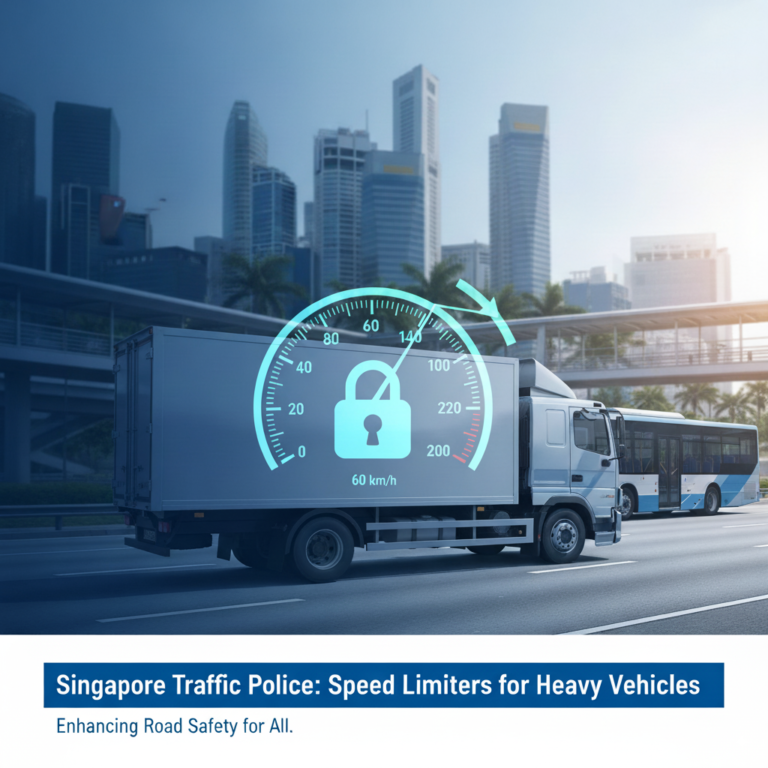
Dynamic Speed Limiting for Emergency Vehicles
introduction of dynamic speed limiting for emergency vehicles
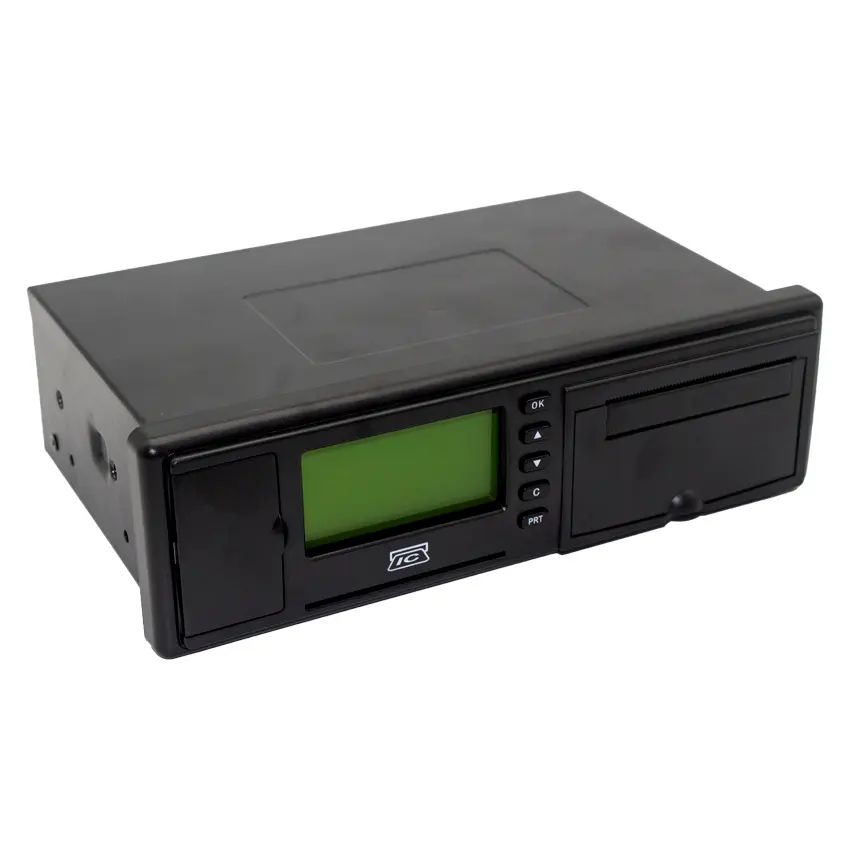
Emergency vehicles-either police car, fire truck or embulance are in chaos. As every seconds counts when they are facing major accidents, so that speed is their greatest asset. However, Statistics from the World Health Organization shows that the traffic accidents remain one of the leading causes of death worldwide to this day. The faster you drive, the more likely you are to crash with more serious result. This is where Dynamic Speed Limiting becomes critical. This technology is now integrated into our speed limiter devices to address exactly this challenge.
For fleet managers, the challenge has always been balancing the urgent need for rapid response against the duty of care for the officer, the crew, and the public. Enter Dynamic Speed Limiting, also known as Intelligent Speed Assistance (ISA) or geofencing-based speed control. This technology is revolutionizing how emergency fleets operate, ensuring that vehicles are fast when they need to be, and safe when they must be.
1. What is Dynamic Speed Limiting?
Unlike traditional speed governors that permanently cap a vehicle’s speed, dynamic speed limiting is context-aware. It uses a combination of GPS data, telematics, and digital mapping to adjust a vehicle’s maximum speed based on its real-time location and operational status.
At the heart of this technology is geofencing—the creation of virtual geographic boundaries on a digital map. Fleet managers can define specific zones (e.g., school zones, hospital drop-off points, congested city centers) and assign a maximum speed limit to each. When an equipped emergency vehicle enters one of these zones, the system automatically engages, smoothly reducing the engine power to ensure the vehicle does not exceed the preset limit.
2. Enhancing Safety Through Contextual Awareness
The primary benefit of this technology is a dramatic reduction in risk during non-emergency and secondary emergency scenarios.
Protecting Vulnerable Road Users:
Emergency vehicles often navigate through complex urban environments. With dynamic limiting, a fire truck responding to a call can automatically slow down when passing a school during drop-off hours or when entering a busy hospital campus. For example, Volvo Trucks” “Safety Zones” service is designed precisely for this purpose: to ensure lower speeds in areas with high foot traffic, such as harbors, logistics centers, and city schools.
Mitigating “Blue Light” Collisions:
A significant number of emergency vehicle accidents occur not on the open road, but at intersections or during the initial acceleration phase. By allowing unrestricted movement on highways but enforcing stricter controls in residential areas, the system helps prevent accidents where the driver”s reaction time might be compromised by high speed.
3. Boosting Efficiency and Operational Flow
While safety is paramount, dynamic speed limiting paradoxically contributes to greater overall efficiency.
Reducing Secondary Incidents:
When an emergency vehicle is involved in a collision, it not only takes that unit out of service but also creates a secondary incident that requires additional resources to manage. By preventing speed-related crashes, fleets maintain higher availability and readiness.
Data-Driven Fleet Management:
Modern telematics systems, such as those offered by Brigade Electronics and PatrolGPS, provide fleet managers with comprehensive data on speeding events, harsh braking, and rapid acceleration. This data allows command staff to identify risky driving patterns and implement targeted training. This proactive approach to maintenance and driver behavior reduces long-term costs and vehicle downtime.
Improved Coordination with Traffic Infrastructure:
In advanced implementations, dynamic speed limiting integrates with city-wide traffic management systems. As seen in Las Vegas, variable speed limits and dynamic lane management can help clear congestion for approaching emergency vehicles, decreasing response times and making the commute safer for everyone.
4. The dynamic speed limiting for emergency vehicles technology: How It Works
The workflow of a dynamic speed limiting system is seamless and largely automatic:
- Zone Definition: A fleet manager uses a portal (like Volvo Connect or Omniplus On) to draw geofences on a map—around a school, a sharp curve, or a depot.
- Vehicle Detection: The vehicle”s onboard telematic unit continuously transmits its GPS position. When it approaches a predefined zone, it receives the speed instructions.
- Automatic Regulation: Inside the zone, the system restricts acceleration. If the vehicle enters the zone above the limit, it will actively and smoothly brake to comply. The driver is notified via the instrument display.
- Emergency Override: Recognizing that emergencies are unpredictable, these systems include a safety override. A driver can bypass the speed restriction by performing a “kick-down” (fully depressing the accelerator) if the situation requires immediate evasive action or urgent passage. This action is logged for review, ensuring accountability.
5. The Future of Emergency Fleet Management
As urban populations grow and roads become more congested, the need for intelligent fleet management will only increase. The European Union now mandates intelligent speed assistance systems in all new vehicles from 2024, signaling a global shift toward this technology.
For emergency services, the future lies in even deeper integration. Imagine a system where an ambulance automatically triggers green lights along its route while simultaneously limiting its speed to a safe maximum for the prevailing weather conditions. Or where a police cruiser in “pursuit mode” has its speed thresholds dynamically adjusted based on real-time traffic density data.
Conclusion
Dynamic speed limiting represents a shift from viewing speed as a simple metric to understanding it as a variable that must be managed in context. For emergency services, it offers the best of both worlds: the ability to respond with urgency when lives are on the line, and the intelligence to slow down when safety demands it. By adopting this technology, emergency fleets are not just protecting their crews and vehicles; they are building a safer, more resilient community for everyone.